
our news
Handline Fishing: Preserving Tuna Quality While Protecting Ocean Ecosystems
Handline Fishing: Preserving Tuna Quality While Protecting Ocean Ecosystems
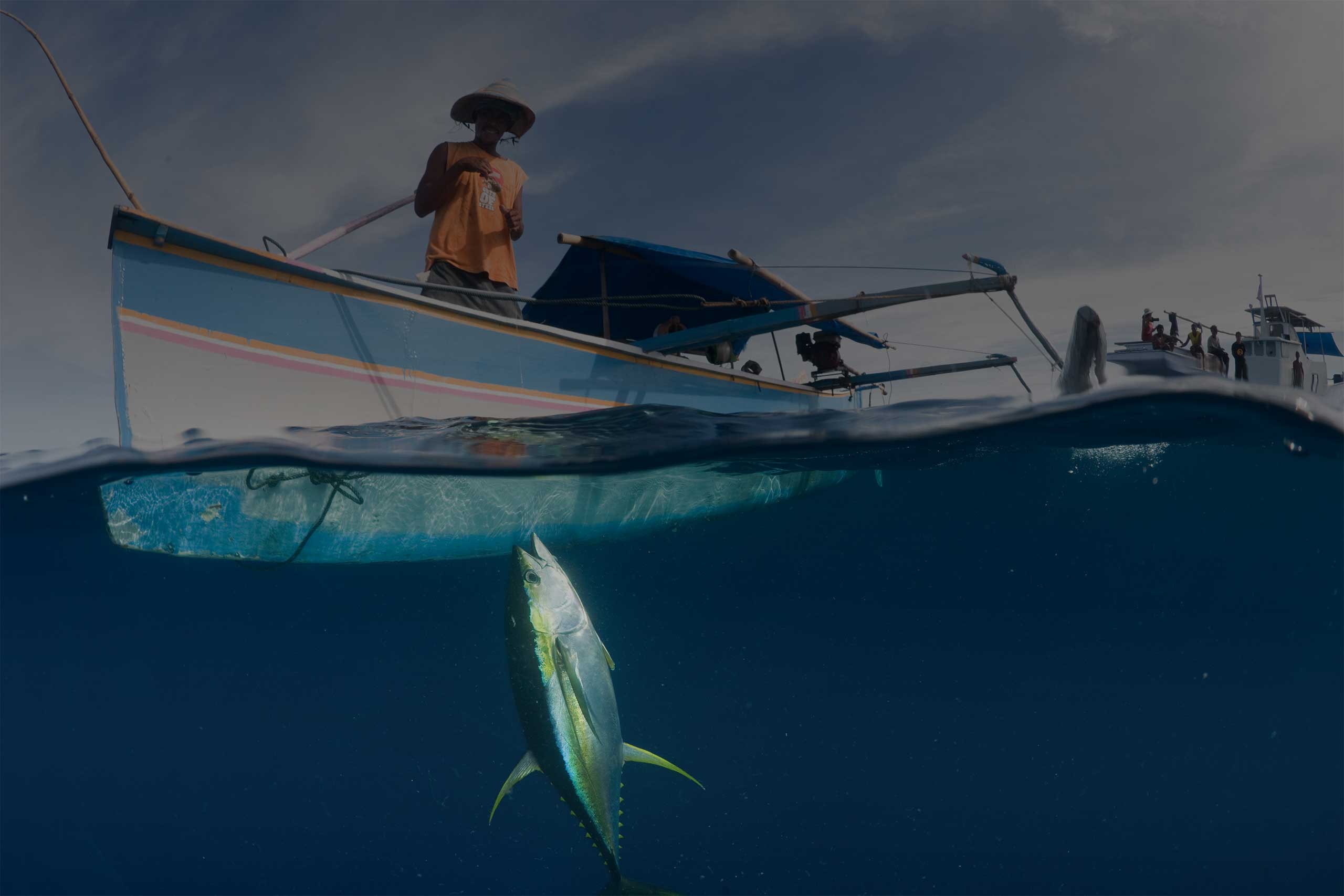
As global demand for responsibly sourced seafood continues to grow, sustainable fishing methods are becoming increasingly important in maintaining healthy fish stocks and protecting marine ecosystems. Among these methods, handline fishing is widely recognized as one of the most selective and environmentally responsible techniques used in tuna fisheries.
As global demand for responsibly sourced seafood continues to grow, sustainable fishing methods are becoming increasingly important in maintaining healthy fish stocks and protecting marine ecosystems. Among these methods, handline fishing is widely recognized as one of the most selective and environmentally responsible techniques used in tuna fisheries. By targeting fish individually, handline fishing helps reduce bycatch, minimize impacts on non-target species, and support long-term fisheries sustainability.
At Ocean Union, we prioritize sourcing Yellowfin Tuna through responsible fisheries that apply traditional handline fishing methods, ensuring traceability, quality, and long-term sustainability. This one-by-one approach allows fishermen to target tuna with precision while preserving the surrounding marine environment. Unlike large-scale fishing operations that may capture multiple species simultaneously, handline fishing offers greater selectivity and contributes to responsible resource management.
Beyond its environmental benefits, handline fishing also plays an important role in maintaining premium tuna quality. Industry guidance from the International Pole & Line Foundation (IPNLF) and the FAO Common Oceans Tuna Project highlights that proper handling immediately after capture is essential to preserving freshness, texture, and overall product value. The careful nature of handline fishing allows fish to be landed individually and processed with greater attention to quality control.
Handline fisheries also provide significant social and economic benefits for coastal communities throughout Indonesia. Thousands of small-scale fishers rely on this traditional fishing method as a source of livelihood. By supporting responsible fishing practices and sustainable seafood supply chains, these fisheries contribute to local economic development while helping protect marine resources for future generations.
Ocean Union remains committed to sourcing seafood through responsible and traceable supply chains that prioritize sustainability, quality, and community well-being. Through partnerships with artisanal fisheries and adherence to responsible sourcing practices, we continue to support a seafood industry that benefits both people and the ocean. Our commitment to handline-caught Yellowfin Tuna reflects our belief that premium seafood and environmental stewardship can go hand in hand.
Sources:
- Ocean Union – Our Process
- International Pole & Line Foundation (IPNLF)
- FAO Common Oceans Tuna Project