
our news
The Importance of Certifications and Industry Memberships in Building a Responsible Seafood Supply Chain
The Importance of Certifications and Industry Memberships in Building a Responsible Seafood Supply Chain
In today’s global seafood industry, quality, safety, traceability, and sustainability are no longer optional—they are essential. Buyers, retailers, foodservice operators, and consumers increasingly seek assurance that the seafood they purchase comes from responsible sources and is handled according to internationally recognized standards.
In today’s global seafood industry, quality, safety, traceability, and sustainability are no longer optional—they are essential. Buyers, retailers, foodservice operators, and consumers increasingly seek assurance that the seafood they purchase comes from responsible sources and is handled according to internationally recognized standards.
At Ocean Union, we believe that certifications and industry memberships play a critical role in creating trust across the entire seafood supply chain. They serve as independent verification that seafood products meet strict requirements for sustainability, food safety, legality, and responsible business practices.
.
Why Certifications Matter
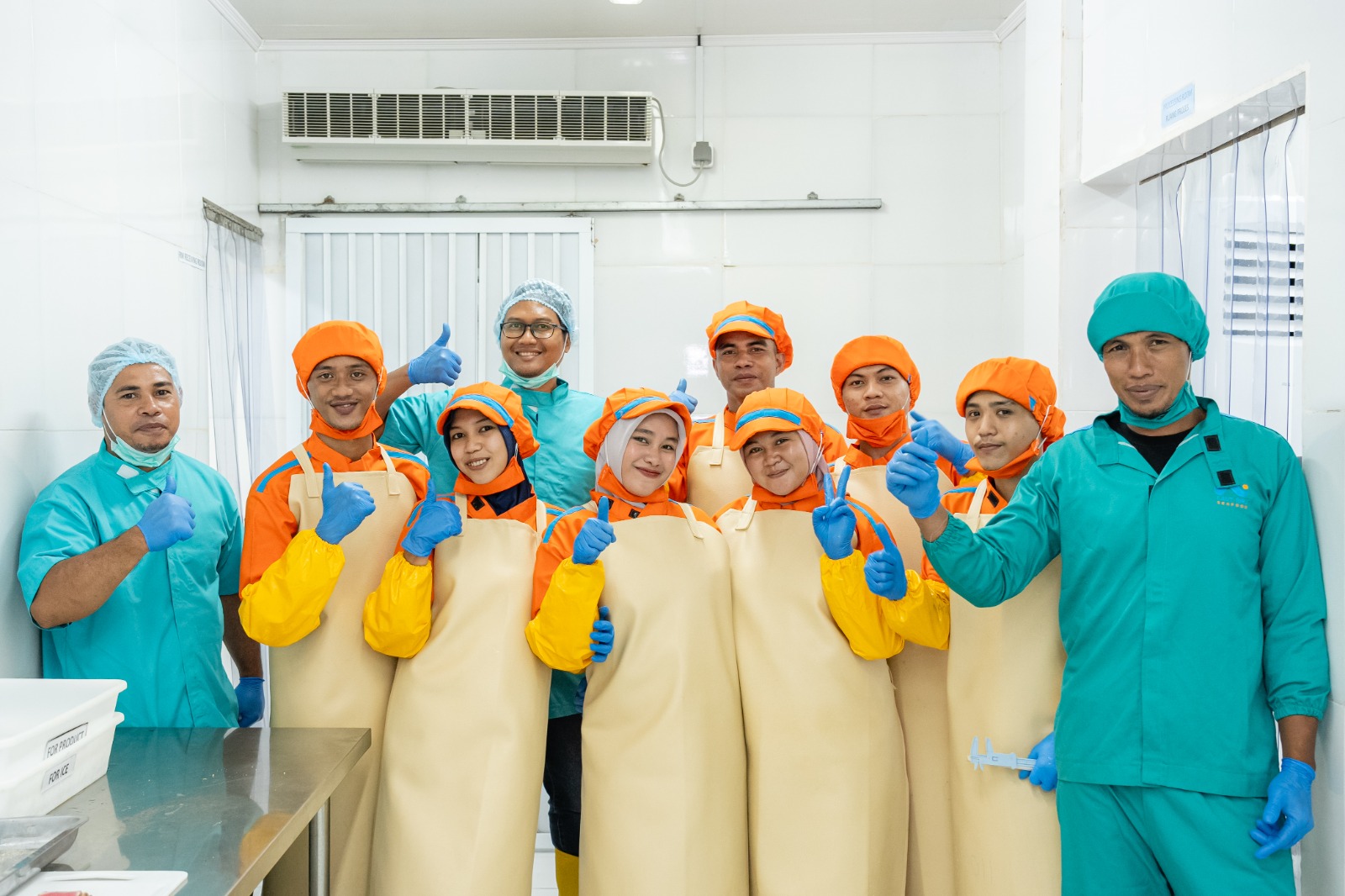
Third-party certifications provide an objective assessment of a company’s operations, fisheries, and supply chain management systems. They help ensure that seafood products are sourced responsibly, processed safely, and delivered with full traceability.
For seafood businesses, certifications offer several key benefits:
- Strengthen customer confidence and brand reputation
- Demonstrate commitment to sustainability and responsible sourcing
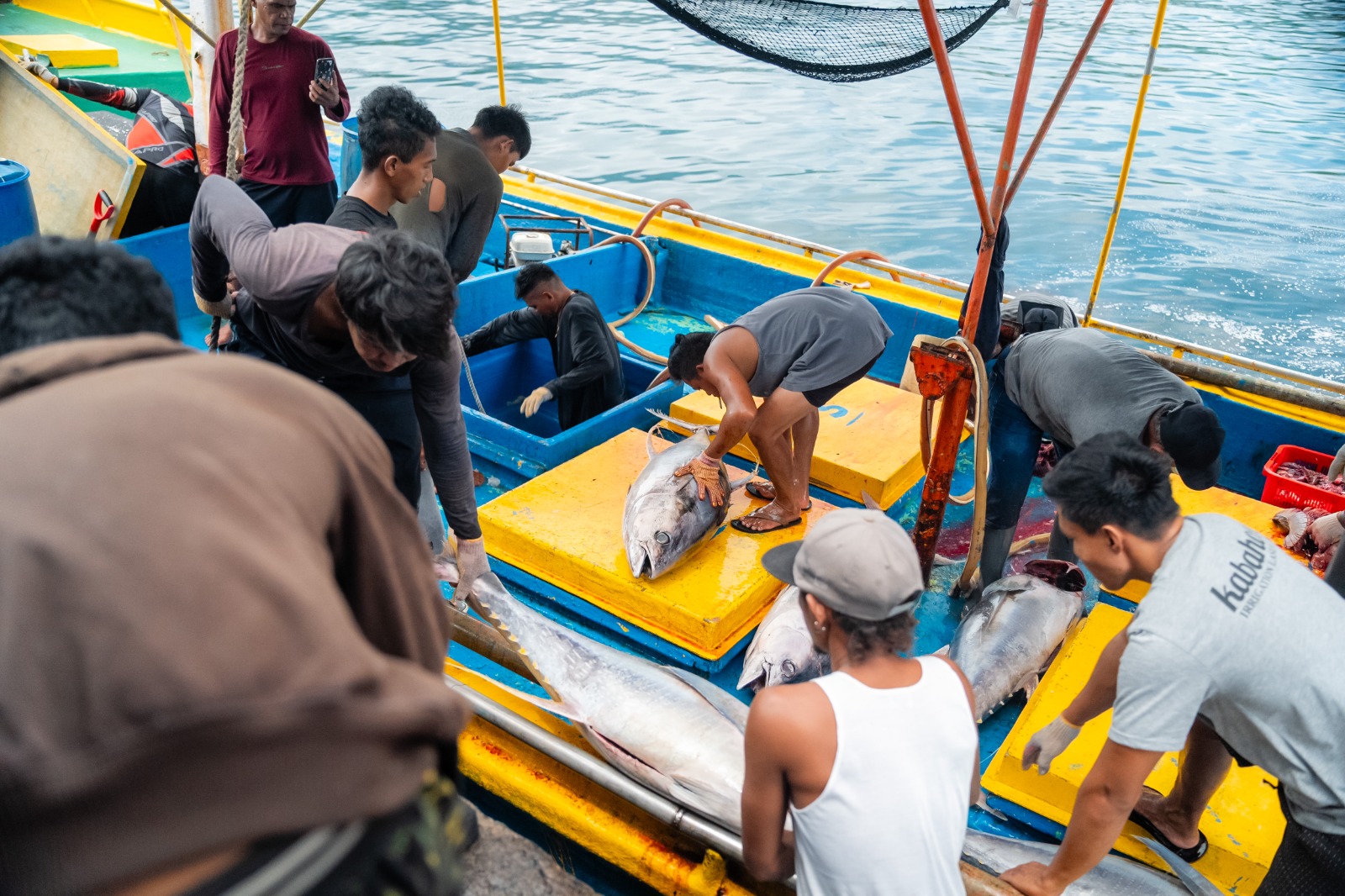
- Improve traceability throughout the supply chain
- Support compliance with international regulations
- Enhance access to global markets and premium buyers
- Reduce risks associated with food safety and seafood fraud
Certification programs such as MSC are widely recognized because they require independent assessments and continuous improvement, helping fisheries and seafood companies meet international best practices.
.
Sustainability Certifications and Seafood Ratings
Marine Stewardship Council (MSC)
The MSC is one of the world’s most recognized seafood sustainability certifications. Fisheries certified under the MSC standard must demonstrate healthy fish stocks, minimal environmental impact, and effective fisheries management. MSC certification also supports full chain-of-custody traceability from the fishery to the final customer.
Seafood Watch
Developed by the Monterey Bay Aquarium, Seafood Watch helps buyers and consumers make informed seafood choices by evaluating environmental sustainability and fishery management practices. Its recommendations have become a valuable reference for responsible seafood sourcing worldwide.
Ocean Wise
Ocean Wise works with seafood businesses to promote responsible sourcing and help consumers identify seafood options from sustainable fisheries and aquaculture operations. Participation demonstrates a commitment to improving ocean health through better seafood choices.
.
Food Safety Certifications
HACCP (Hazard Analysis and Critical Control Points)
HACCP is a globally recognized food safety management system designed to identify and control potential hazards throughout seafood processing. It is considered a fundamental requirement for ensuring seafood safety and regulatory compliance.
GMP (Good Manufacturing Practices)
GMP certification verifies that seafood products are processed in hygienic facilities using standardized procedures, helping ensure consistent product quality and safety.
BRCGS Food Safety Certification
BRCGS is recognized by major retailers and foodservice companies worldwide. The certification evaluates food safety management systems, operational controls, quality management, and continuous improvement processes.
FDA Compliance
Compliance with U.S. Food and Drug Administration requirements demonstrates that seafood products meet strict food safety and regulatory standards for one of the world’s largest seafood markets.
.
The Value of Industry Memberships
Beyond certifications, industry associations play an important role in driving collaboration, innovation, and responsible fisheries management.
Organizations such as:
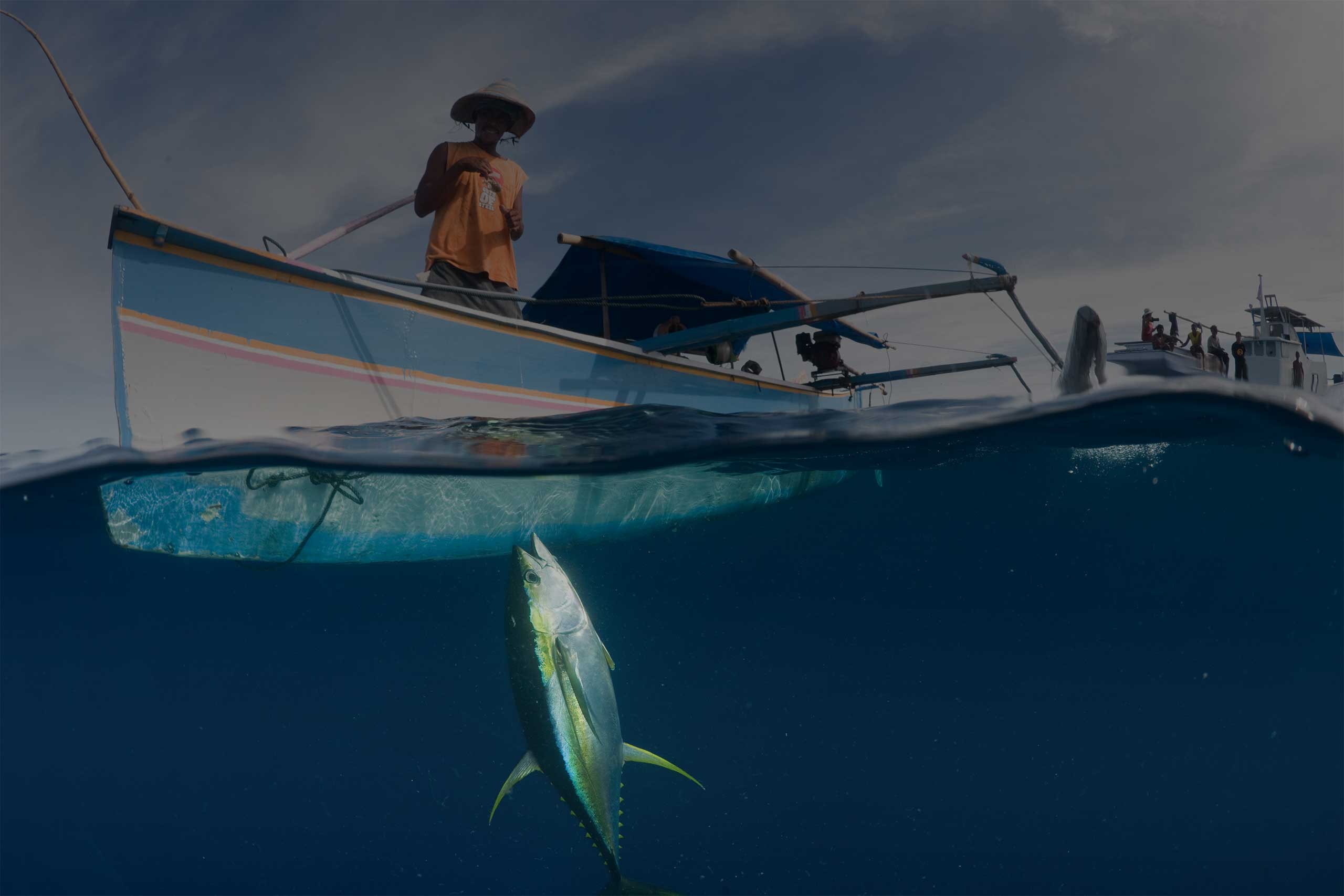
- AP2HI (Indonesian Pole & Line and Handline Fisheries Association)
- APRI (Indonesian Blue Swimming Crab Association)
- SLBSC FIP (Fishery Improvement Project)
- IPNLF (International Pole & Line Foundation)
- Indonesian Tuna
- Indonesian Demersal Association
bring together stakeholders across the seafood sector to improve fishery management, strengthen traceability systems, support small-scale fishers, and advance sustainability initiatives.
Membership in these organizations reflects an active commitment to industry improvement rather than simply meeting minimum compliance requirements.
.
A Shared Commitment to Responsible Seafood
At Ocean Union, certifications and industry memberships are more than logos displayed on a website or product packaging. They represent a long-term commitment to transparency, accountability, responsible sourcing, food safety, and sustainable fisheries.
By working alongside certified suppliers, responsible fisheries, and leading industry organizations, Ocean Union continues to support a seafood supply chain that delivers quality products while helping protect marine resources for future generations.
Because sustainable seafood begins with trust—and trust is built through verified standards, responsible partnerships, and continuous improvement.